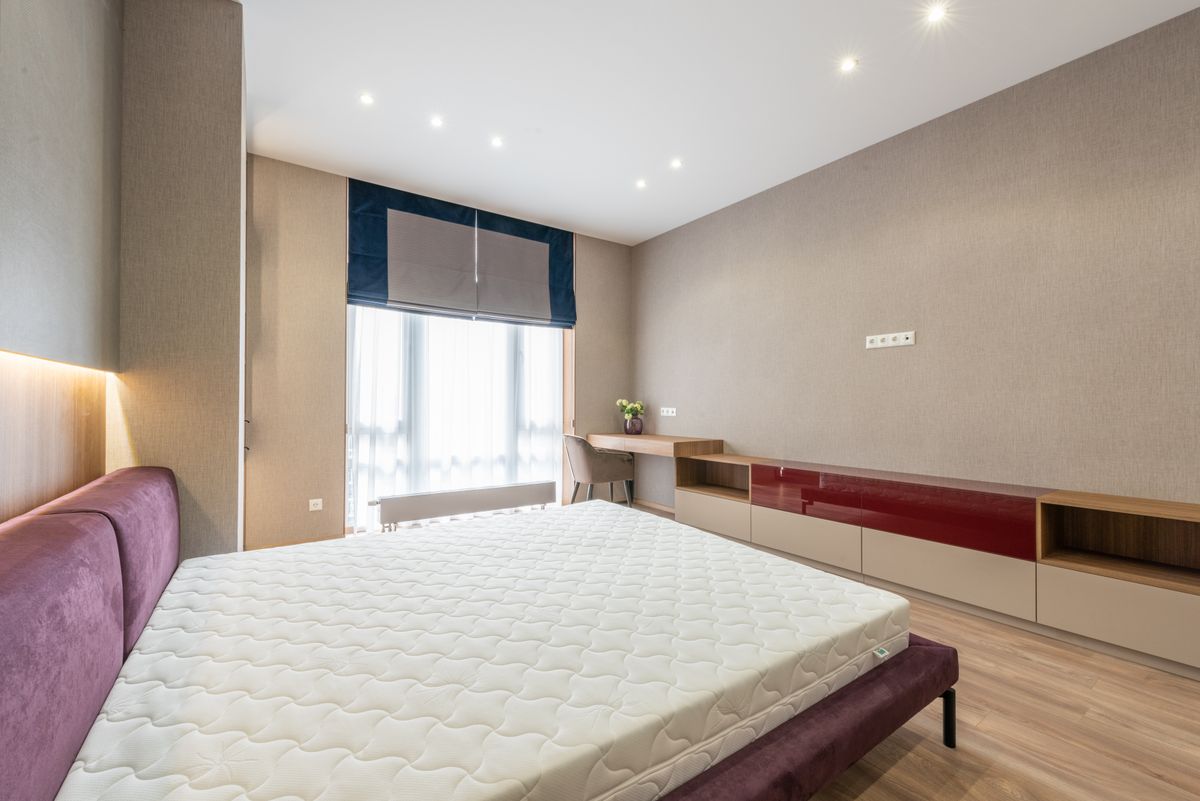
Zinus Green Tea 12″ Memory Foam — Most-reviewed budget mattress on Amazon
Price: ~$200 queen | 10-year warranty
Affiliate Disclosure: MattressPicks earns a commission when you purchase through our links at no extra cost to you. We research each mattress independently.
Latex and memory foam are both popular foam-based mattress materials, but they feel and perform very differently. Understanding those differences is key to choosing the right mattress for your sleep style and health needs.
What Is Latex Foam?
Latex foam is derived from the sap of rubber trees (natural latex) or produced synthetically (synthetic latex). Dunlop latex is denser and firmer; Talalay latex is lighter and more consistent. Natural latex is a popular choice for eco-conscious shoppers and those with chemical sensitivities. Brands like Avocado, PlushBeds, and Birch specialize in latex mattresses.
- ✅ Responsive, bouncy feel
- ✅ Naturally cooling
- ✅ Excellent durability (10–20 years)
- ✅ Eco-friendly options available
- ✅ Resistant to dust mites and mold
- ❌ Expensive, especially natural latex
- ❌ Very heavy
- ❌ Less pressure relief than memory foam
- ❌ Limited customization options
- ❌ May not suit those wanting deep contouring
What Is Memory Foam?
Memory foam is a petroleum-based viscoelastic polyurethane foam engineered to soften under heat and pressure. It contours closely to your body shape, then slowly returns to its original form when pressure is removed. It’s the material behind hugely popular brands like Nectar, Casper, and Leesa.
- ✅ Deep pressure relief and contouring
- ✅ Superior motion isolation
- ✅ Great for pain relief
- ✅ Usually more affordable
- ✅ Wide availability
- ❌ Sleeps warmer
- ❌ Slow response/”stuck” feeling
- ❌ Shorter lifespan than latex
- ❌ Off-gassing smell initially
- ❌ Not eco-friendly
Latex vs Memory Foam: Head-to-Head
Feel and Responsiveness: Latex is springy and bouncy; memory foam is slow to respond and contouring. Latex sleepers describe feeling “on” the mattress; memory foam sleepers describe feeling “in” it.
Pressure Relief: Memory foam wins for most people. The viscoelastic contouring cradles pressure points more deeply. Latex provides good pressure relief but feels firmer and less enveloping.
Temperature: Latex is significantly cooler. Open-cell latex structure and natural breathability keep it cooler than memory foam, which tends to trap heat.
Motion Isolation: Memory foam wins. Latex’s bounciness allows some motion transfer; foam absorbs it completely.
Durability: Latex wins decisively. High-quality natural latex can last 15–20+ years. Memory foam typically lasts 7–10 years before softening or sagging.
Eco-Friendliness: Natural latex wins easily. It’s renewable, biodegradable, and free from synthetic chemicals. Memory foam is petroleum-based and not eco-friendly.
Price: Memory foam wins on value. Natural latex mattresses often cost $1,500–$3,000+; quality memory foam mattresses start around $600–$900 for a queen.
Health and Allergy Considerations
Latex is naturally resistant to dust mites, mold, and mildew — a significant advantage for allergy sufferers. However, people with latex allergies must avoid it entirely. Memory foam may off-gas VOCs initially but is generally safe once aired out. Look for CertiPUR-US certified foams for safer chemical profiles.
Who Should Choose Latex?
Latex is ideal if you: prioritize eco-friendliness, want a long-lasting investment, prefer a bouncy responsive feel, sleep hot, or have dust mite or mold allergies.
Who Should Choose Memory Foam?
Memory foam is better if you: sleep on your side, have joint or back pain, share a bed with a partner who moves frequently, or want the best pressure relief per dollar.
Shop the Best Mattress Deals
Affiliate links — no extra cost to you.